5011 Burnet Road
Austin, TX 78756

Dry Eyes or Austin Allergies? How to Tell What’s Causing Your Eye Irritation
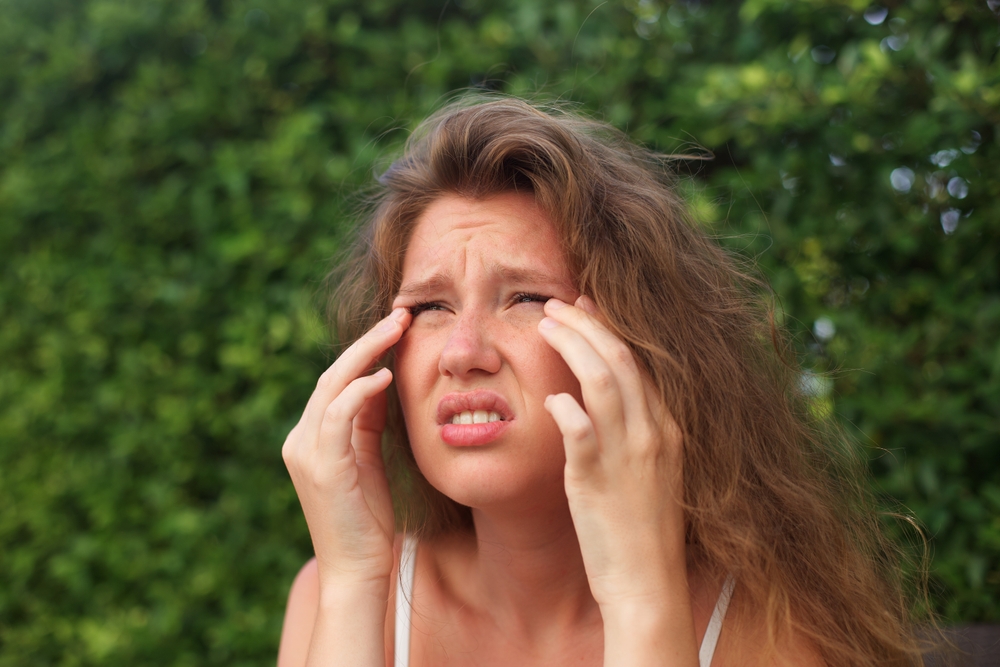
Red, irritated, watery, or burning eyes are common complaints in Austin, especially when seasonal allergens are circulating. The challenge is that dry eye and eye allergies can cause similar symptoms. Knowing the differences can help you understand when irritation may be temporary and when it is time to schedule an eye evaluation.
Signs Your Symptoms May Be From Eye Allergies
Eye allergies develop when the immune system reacts to environmental allergens such as pollen, dust, or other airborne particles. Austin's seasonal conditions can make these symptoms particularly noticeable at certain times of the year.
Itching is one of the strongest clues that allergies may be responsible. Allergy-related irritation also tends to affect both eyes and may occur alongside sneezing, nasal congestion, or other seasonal allergy symptoms.
Common signs of eye allergies include:
- Intense itching or an urge to rub the eyes
- Watery or teary eyes
- Redness
- Puffy or swollen eyelids
- Symptoms that worsen after outdoor exposure
Reducing exposure to known allergens may help, but persistent symptoms should be evaluated to determine whether allergies are the only cause.
Signs Your Irritation May Be Dry Eye
Dry eye occurs when the eyes do not produce enough tears or when the tear film does not adequately protect and lubricate the eye's surface. Patients with dry eye often describe their eyes as burning, gritty, tired, or as though sand is trapped underneath the eyelids.
Dry eye can also cause fluctuating or blurry vision, particularly during prolonged reading or screen use. Wind, air conditioning, low humidity, extended digital device use, certain medications, and contact lens wear can make symptoms more noticeable.
Interestingly, watery eyes can also occur with dry eye. When the eye's surface becomes irritated, the eyes may respond by producing an excess of reflex tears. This means watering alone does not necessarily indicate allergies.
Can Allergies and Dry Eye Happen at the Same Time?
Yes, some patients may experience both conditions simultaneously. Seasonal allergens can irritate the ocular surface, while rubbing the eyes and spending time in dry or windy environments can further aggravate discomfort.
Certain oral antihistamines used for allergy symptoms may also contribute to dryness in some patients by reducing tear production. This can make it difficult to determine the source of persistent irritation without an eye examination.
Why an Eye Evaluation Matters
Because dry eye, allergies, infections, and other eye conditions can produce overlapping symptoms, an examination can help identify what is actually causing your discomfort. We can evaluate the surface of the eyes, review your symptoms and medications, and determine whether dry eye treatment, allergy management, or another approach is appropriate.
Dry eye treatment may include changes to daily habits, lubricating eye drops or ointments, and additional treatments based on the cause and severity of the condition. The goal is to address the underlying source of irritation rather than simply masking symptoms.
If your eyes continue to feel dry, gritty, itchy, red, or uncomfortable, schedule a comprehensive eye exam with Eye Physicians of Austin in Austin, Texas, at (512) 583-2020.
© 2026 Eye Physicians of Austin. All rights Reserved - Accessibility Statement - Privacy Policy - Sitemap
Powered by